Introduction
Slow cooking has been a staple of home cooking for decades, offering a method to prepare meals that requires minimal active time while delivering tender, flavorful results. The appeal lies in the simplicity of the approach: combine ingredients in the morning, set the cooker, and return home to a finished dish in the evening. For busy households, this approach saves time on meal preparation and cooking supervision.
The Bella SAVOR 6-quart programmable slow cooker represents one option among the various models available to consumers. This guide explores what this cooker offers, how it functions, and practical considerations for determining whether this particular model might suit your cooking needs and lifestyle.
Understanding the features, capacity, and design elements of a programmable slow cooker can help you make an informed decision about which appliance might work best for your kitchen. This article examines the Bella SAVOR model in detail, discussing its specifications, intended uses, and important factors to consider before bringing one home.
Key Features and Specifications
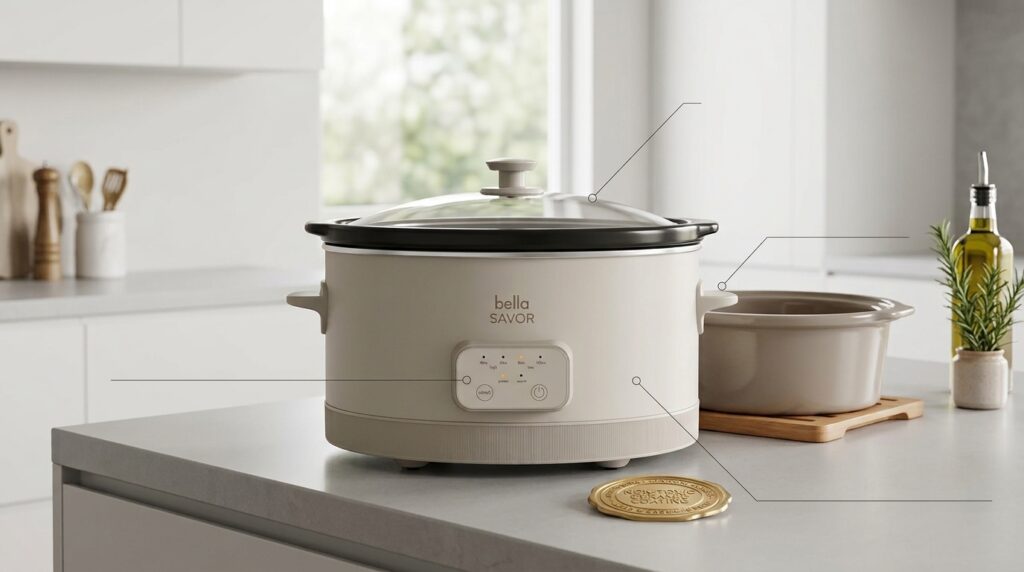
The Bella SAVOR slow cooker operates as a programmable model, which means it includes digital controls that allow users to set cooking time and temperature without manual adjustment throughout the day. The 6-quart capacity sits at the larger end of the slow cooker market, making it suitable for families or anyone who regularly prepares larger portions.
Capacity and Size Considerations
The 6-quart volume represents a significant capacity advantage for certain cooking situations. A single batch can yield 8 to 12 servings depending on the recipe and portion sizes you prefer. This capacity supports meal preparation for larger families, gatherings, or situations where you want to prepare multiple meals at once. The physical dimensions of a 6-quart cooker are proportionally larger than smaller models, which matters if counter or storage space is limited in your kitchen.
Programmable Temperature Settings
This model includes programmable functions that typically encompass multiple heat settings. Most programmable slow cookers offer a low setting for extended cooking and a high setting for faster meal preparation. Having programmable controls means you can preset cooking conditions and the appliance will maintain those settings without requiring you to check or adjust anything manually during the cooking process.
Non-Toxic Construction Considerations
The emphasis on non-toxic materials reflects growing consumer interest in cookware composition. The stoneware insert and related food-contact surfaces are designed with safety in mind. Understanding what “non-toxic” means in this context involves recognizing that the materials used meet safety standards for food preparation. Stoneware is a traditional material choice for slow cookers because it distributes heat evenly and has been used in cooking for centuries.
Oatmilk Color Option
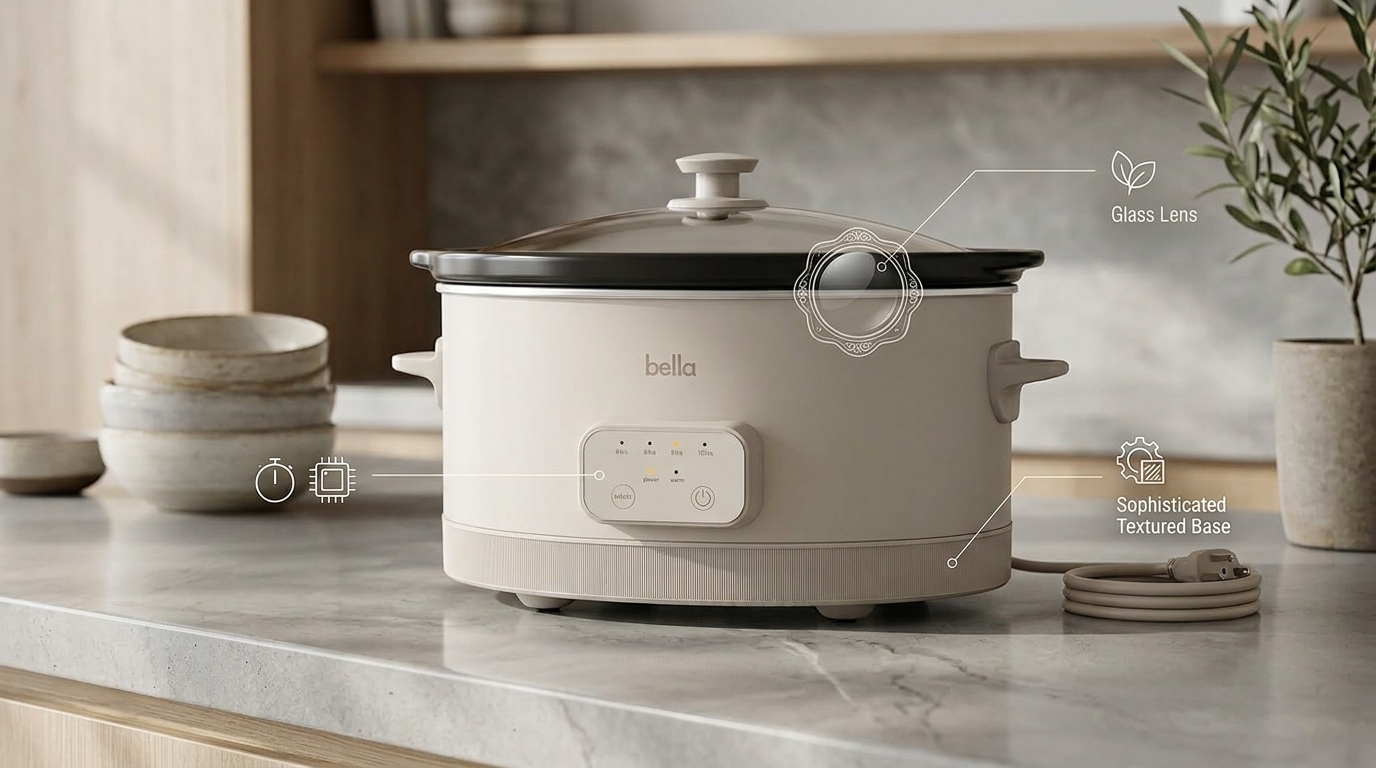
The oatmilk finish refers to the exterior color of the slow cooker’s housing. This neutral color choice complements various kitchen décor styles. The aesthetic appeal of kitchen appliances has become increasingly important to consumers who prefer their tools to integrate visually with their kitchen design.
How a Programmable Slow Cooker Functions
Before diving into specific uses for the Bella SAVOR, understanding how programmable slow cookers work in general provides helpful context. These appliances use low, sustained heat to cook food over extended periods, typically between 4 to 10 hours depending on the recipe and settings selected.
The programmable element allows you to input your desired cooking time when you place food inside. Rather than manually monitoring progress, the cooker maintains consistent heat levels throughout the cooking duration. Some programmable models include a warm function that automatically switches on once cooking time expires, keeping the finished dish at a safe serving temperature until you’re ready to eat.
This approach differs from traditional slow cookers without timers, which require more active attention and decision-making about when to turn the appliance off or switch to a warm setting.
Practical Uses and Recipe Considerations
A 6-quart programmable slow cooker accommodates numerous cooking applications. The larger capacity makes it particularly useful for certain types of meals and cooking situations.
Batch Cooking and Meal Preparation
Many people use large-capacity slow cookers specifically for preparing multiple meals at once. You might cook a large batch of chili, stew, or pulled meat, then portion it for several dinners throughout the week or freeze portions for future use. This approach to meal preparation appeals to people with busy schedules or those interested in reducing daily cooking time.
Family Dinners and Entertaining
When feeding a family of five or more, a 6-quart capacity eliminates the need to prepare multiple batches. You also have this capacity available when hosting informal dinners for friends or family gatherings where everyone brings a potluck dish—this cooker can handle substantial quantities without overflowing.
Versatile Recipe Applications
Slow cookers work well for various cuisines and ingredients. Tougher cuts of meat become tender through slow cooking, making economical meat choices work beautifully. Beans and legumes cook evenly when given adequate time and moisture. Vegetables, broths, and stocks all benefit from slow, gentle heat. Cultural cuisines that traditionally use slow-cooking methods, such as Brazilian stews, Indian curries, or Caribbean braises, adapt well to programmable cookers.
Common Dish Categories
Soups and broths can simmer for hours without degradation, with flavors melding and deepening. Meat dishes ranging from pot roasts to chicken preparations can cook unattended. Vegetarian meals incorporating legumes and heartier vegetables work effectively. Desserts, though less common, can be prepared in slow cookers—certain cake and pudding recipes are specifically designed for this method.
Who Might Benefit From This Model
The Bella SAVOR’s specific features and capacity appeal to particular user profiles, though slow cookers in general have broad appeal.
Larger Households
Families with five or more members find that a 6-quart capacity reduces the number of cooking batches needed and ensures everyone can be served without waiting for multiple rounds of cooking.
People With Limited Cooking Time
The programmable feature particularly serves those who work long hours or have unpredictable schedules. Setting the cooker in the morning means dinner preparation happens automatically while you’re occupied elsewhere.
Individuals Interested in Batch Cooking
Those who dedicate time to preparing multiple meals at once, whether for weekly meal prep or freezer stocking, benefit from the larger capacity. This approach can improve food budget efficiency and provide variety while reducing daily cooking decisions.
Health-Conscious Cooks
The slow-cooking method doesn’t require added fats for initial browning if desired, though many recipes benefit from this step. The extended cooking time breaks down tough proteins and allows even nutrient distribution throughout the dish.
Budget-Oriented Cooks
Less expensive cuts of meat become tender and flavorful through slow cooking, potentially reducing ingredient costs compared to recipes requiring premium cuts.
Important Considerations Before Purchasing
Space Requirements
A 6-quart slow cooker requires significant counter or storage space. Before purchasing, verify that you have adequate room to accommodate it either on your countertop or in a cabinet. Some people sacrifice storing one less appliance in favor of keeping their slow cooker accessible on the counter.
Learning the Cooking Process
Transitioning from traditional cooking to slow cooking involves some adjustment. Liquid ratios differ from conventional recipes, and cooking times require recalibration. Recipes written specifically for slow cookers produce more consistent results than adapting conventional recipes.
Maintenance and Cleaning
The stoneware insert typically can be removed for washing, but care must be taken not to expose it to rapid temperature changes, which can cause cracking. The heating base unit itself should not be submerged. Understanding proper cleaning extends the appliance’s lifespan.
Electrical Cord Management
The location where you place the cooker should accommodate the power cord without creating tripping hazards or requiring extension cords, which pose safety risks with high-wattage appliances.
Programmable Slow Cookers Compared to Other Cooking Methods
Understanding how slow cookers fit into the broader landscape of cooking appliances can help clarify when this method works best versus when other approaches might be preferable.
Slow Cookers Versus Instant Pots and Pressure Cookers
Pressure cookers and Instant Pots use high pressure to reduce cooking time significantly, often preparing meals in 20 to 30 minutes rather than hours. This appeals to people wanting speed. Slow cookers excel for recipes where long, gentle heat creates superior results—certain meat dishes and braises benefit from the extended time. Some cooks prefer the texture and flavor that only slow cooking produces.
Slow Cookers Versus Oven Cooking
Traditional oven braising produces similar results to slow cooking but uses more energy and generates heat throughout your home. Slow cookers operate on lower wattage and keep heat contained in one appliance. The hands-off nature of slow cooking also contrasts with oven methods requiring periodic checking.
Slow Cookers Versus Stovetop Cooking
Stovetop methods offer more control and speed but require active supervision and attention. Slow cooking eliminates the need to stand over the stove and time everything carefully, though it sacrifices the ability to adjust seasoning or technique mid-cooking.
Frequently Asked Questions
How do I convert regular recipes for slow cooker use?
Converting conventional recipes to slow cooker format involves adjusting liquid amounts—slow cookers produce less evaporation than other methods. Generally, reduce liquid by about one-third compared to stovetop recipes. Cooking time typically becomes 8 hours on low or 4 hours on high. Adding dairy products near the end of cooking prevents curdling. Recipes designed specifically for slow cookers produce more reliable results than adapted recipes.
What’s the difference between a 6-quart capacity and smaller models?
A 6-quart capacity serves 8 to 12 people with a typical single recipe, compared to 4-quart models serving 4 to 6 people. The larger size enables batch cooking and reduces the need for multiple batches when feeding larger groups. The trade-off involves requiring more storage or counter space.
Can I cook everything in a slow cooker?
Most foods can be prepared in a slow cooker, though some work better than others. Tender vegetables benefit from shorter cooking times than tougher vegetables. Fish and seafood can overcook if cooked too long. Fresh herbs added late in cooking preserve their flavor better than those added at the beginning. Not every recipe translates well to slow-cooking methods, so using recipes specifically designed for this approach typically produces better results.
How long do slow cookers typically last?
Lifespan depends on usage frequency and care. Regular maintenance, proper cleaning, and not subjecting the stoneware insert to extreme temperature changes extend durability. Many people use the same slow cooker for 5 to 10 years or longer without issues.
What safety features should a programmable slow cooker have?
Programmable slow cookers should have automatic shutoff or a warm setting to prevent overcooking after the preset time expires. Sturdy handles designed to stay cool during operation prevent burns. A heating base with temperature controls prevents the exterior from becoming dangerously hot to touch.
Is there a learning curve to using a programmable slow cooker?
The basic operation is straightforward—combine ingredients, set time and temperature, turn on the cooker. However, becoming proficient with recipe conversion and understanding how different ingredients behave at low temperatures takes experience. Most people develop competency after using a slow cooker for several months.
Conclusion
The Bella SAVOR 6-quart programmable slow cooker represents a capable appliance for people whose cooking needs align with what slow cookers do well—preparing large quantities of food with minimal active time. The 6-quart capacity addresses situations where standard smaller models require multiple batches, and the programmable features eliminate manual monitoring.
Whether this specific model proves right for your household depends on your available space, family size, cooking preferences, and how frequently you’d realistically use a slow cooker. Many people find slow cooking becomes a regular part of their routine once they own one, while others use it occasionally. Considering your actual cooking patterns, rather than aspirational use, leads to more satisfying purchases.